ALNAFT

Evolution of Hydrocarbon Laws in Algeria

Introduction

A historical journey toward national energy sovereignty.

Since its independence in 1962, Algeria has progressively asserted its sovereignty over its natural resources, particularly hydrocarbons.

This legislative and institutional evolution reflects a constant commitment: to enhance the value of subsoil resources in the service of national development.

Today, thanks to a modernized legal framework, Algeria has an balanced model that promotes investment, performance, and sustainability.”

Since April 28, 2005
Independence and the first challenges
0

On July 5, 1962, Algeria gained its independence.
Although the country became the owner of its resources, management remained under French influence through SN REPAL, governed by the Saharan Petroleum Code of 1958, in accordance with the Évian Accords.

5 juillet 1962

The birth of SONATRACH
0

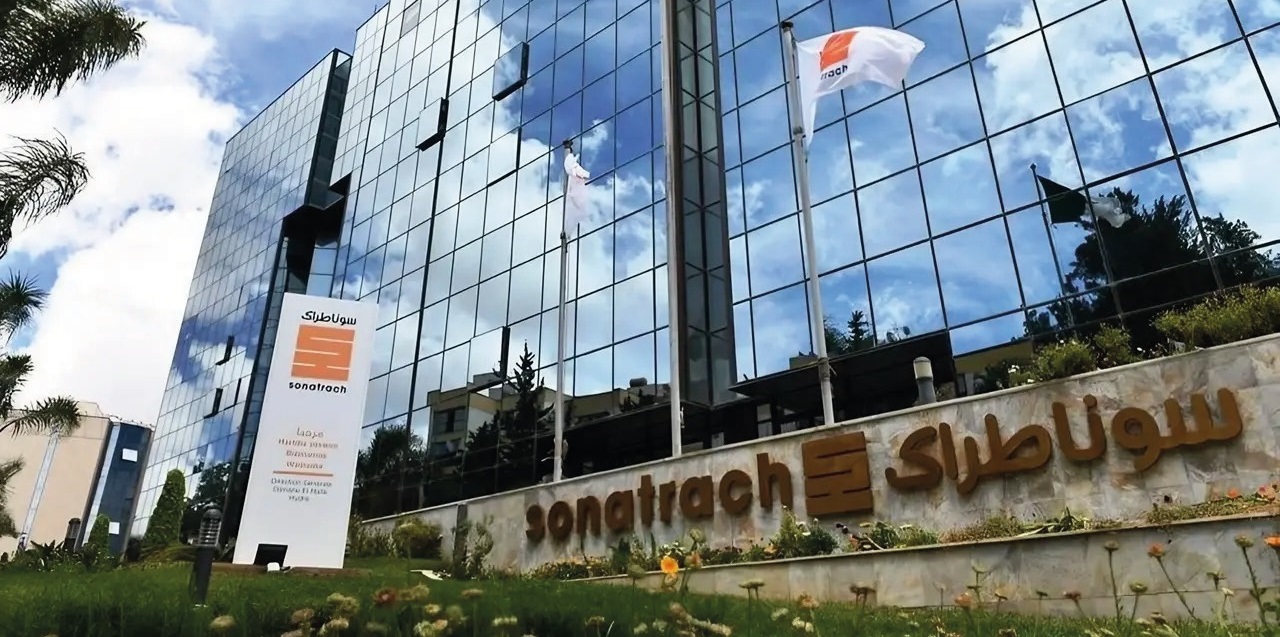
December 31, 1963 marked the creation of SONATRACH, entrusted with the exploration, production, transportation, and marketing of hydrocarbons. This national company would quickly become the cornerstone of Algeria’s energy policy.

December 31, 1963

Towards regaining control
1965 - 0
  • 1965: The Algiers Agreement required French companies to transfer a portion of their profits to the Algerian State.
  • 1967: Nationalization of Mobil and Esso operations.
  • 1968: An agreement with Getty Oil restored 51% of the interests to SONATRACH — a strategic turning point for energy sovereignty.

1965 – 1968

The year of nationalization
0

On February 24, 1971, Algeria regained full sovereignty over its hydrocarbon resources.
Foreign companies were henceforth required to partner with SONATRACH and establish companies under Algerian law.
This founding act definitively placed the energy sector under national control.

February 24, 1971

Structuring of the legal framework
1971 - 0
  • 1971 (April): Ordinance 71-22 defined the conditions under which foreign companies may operate.
  • 1975 (February): Ordinance 75-13 strengthened the fiscal regime by introducing new royalties and taxes on hydrocarbons.

1971 – 1975

Controlled liberalization
0

In a context of oil crisis, Law 86-14 opened the upstream sector to foreign investment and introduced a major innovation: the production sharing contract.
This reform marked the beginning of a more open economic approach, while maintaining national control.

1986

Adaptation and attractiveness
0

Law 86-14 was amended to encourage natural gas exploration and to facilitate the international settlement of disputes.

These adjustments revitalized exploration activities and led to significant field discoveries.

1991

A structuring reform
0

Law 05-07 modernizes the fiscal framework and opens the sector to competition. It establishes two public agencies:

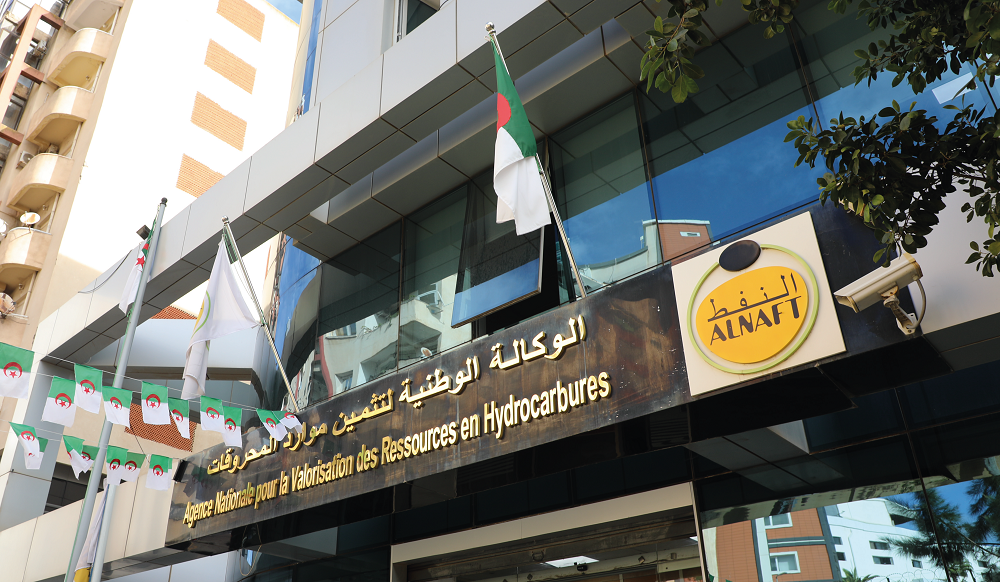
  • ALNAFT, responsible for the promotion and management of the national mining domain;
  • ARH, responsible for the technical regulation of activities.

This marks the emergence of a new balance between the State, operators, and investors.

2005

Strengthening of national participation
0

L’ordonnance 06-10 impose la participation minimale de 51 % de SONATRACH dans tout contrat, et introduit la taxe sur les profits exceptionnels (TPE).

Ordinance 06-10 imposes a minimum participation of 51% by SONATRACH in any contract and introduces the windfall profits tax (WPT).

2006

Innovation and openness
0

Law 13-01 encourages the exploration of new fields, including offshore and unconventional resources, and introduces fiscal incentives to stimulate exploration.

This reform places innovation and knowledge at the core of the national energy strategy.

2013

A modern and competitive framework
0

Law 19-13 aims to simplify the fiscal regime, strengthen the sector’s competitiveness, and encourage foreign partnerships.

It also places emphasis on environmental protection and the promotion of local content, in support of sustainable energy development.

2019

Conclusion

The evolution of hydrocarbon laws in Algeria reflects more than 60 years of nation-building and adaptation to global economic realities.

From nationalization to the modernization of the legislative framework, each stage has strengthened the country’s position as a sovereign, responsible, and forward-looking energy player.

As the heir to this trajectory, ALNAFT continues today to pursue this mission: enhancing resource value, attracting investment, and ensuring sustainable energy development.

Since April 28, 2005

Would you like to obtain prequalification from ALNAFT?